

Participation in the workshop “Small Modular Reactor School in Romania”
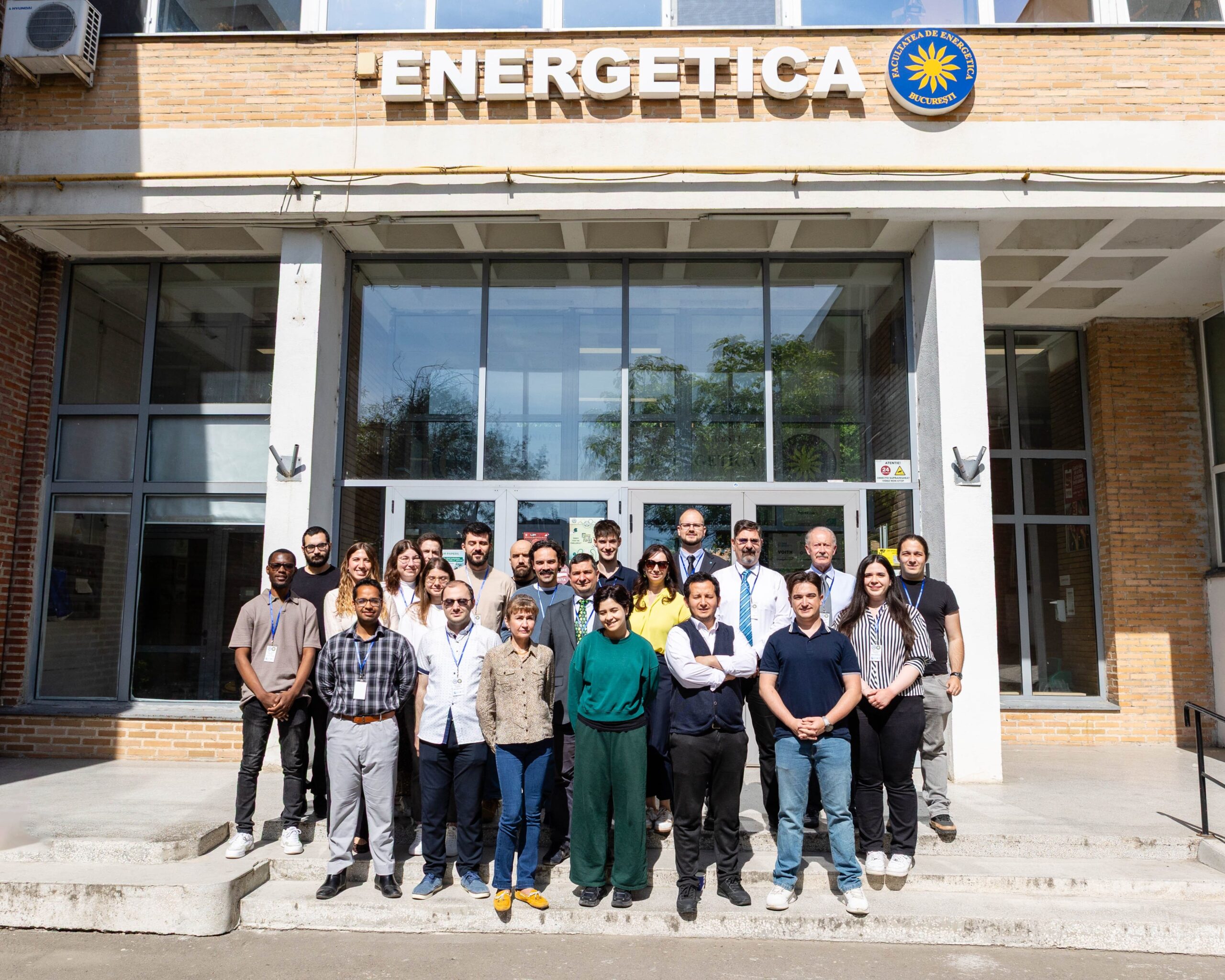
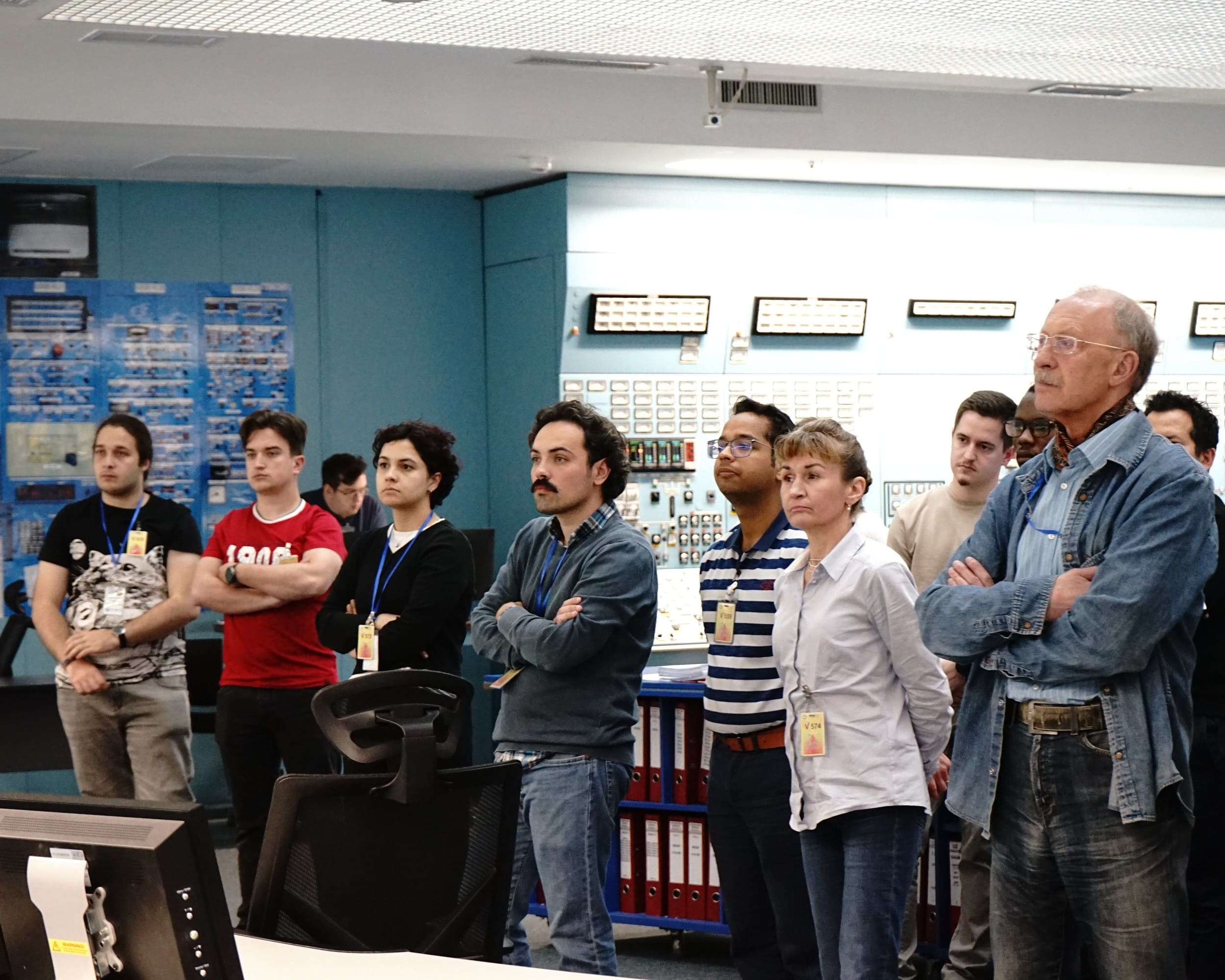
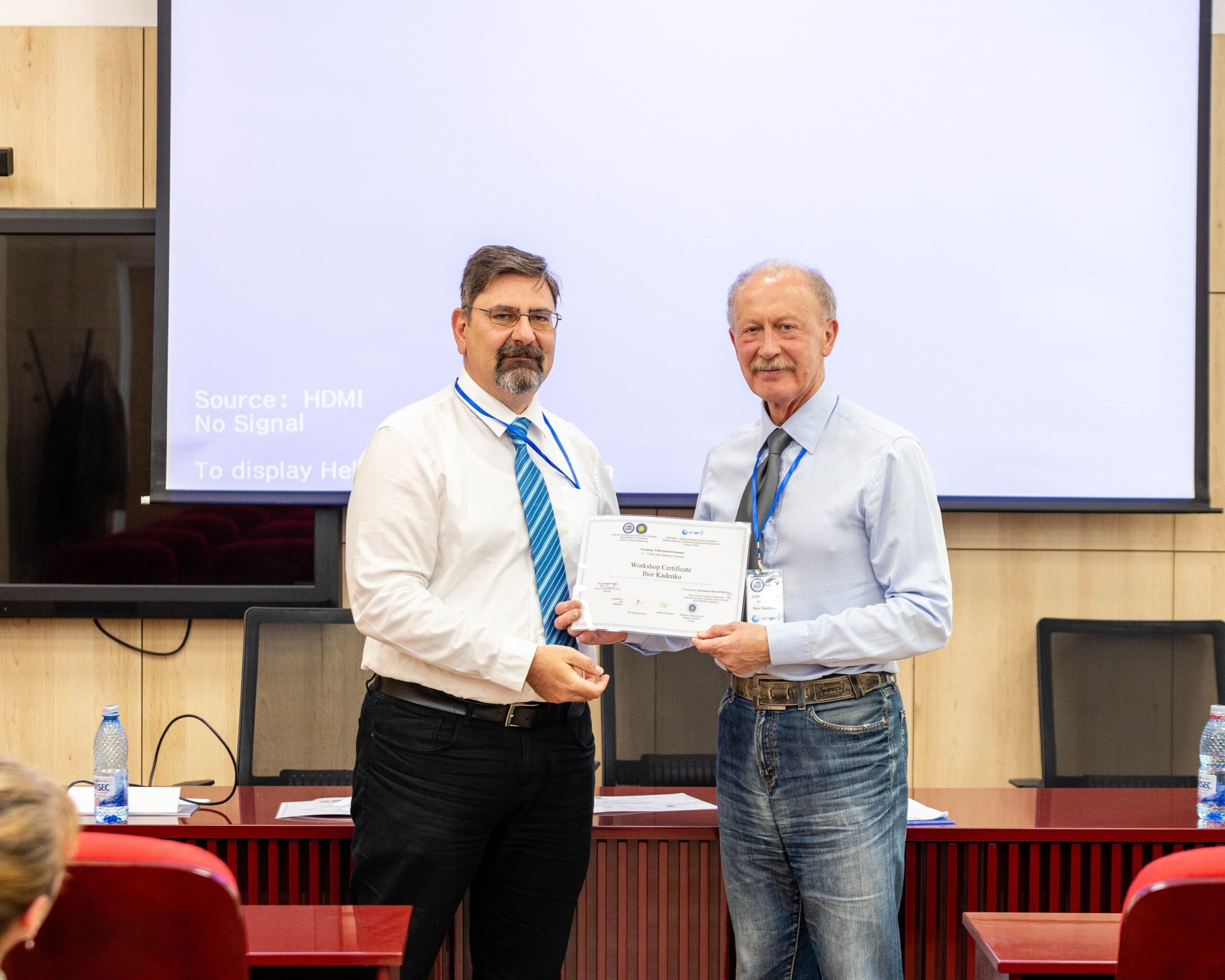
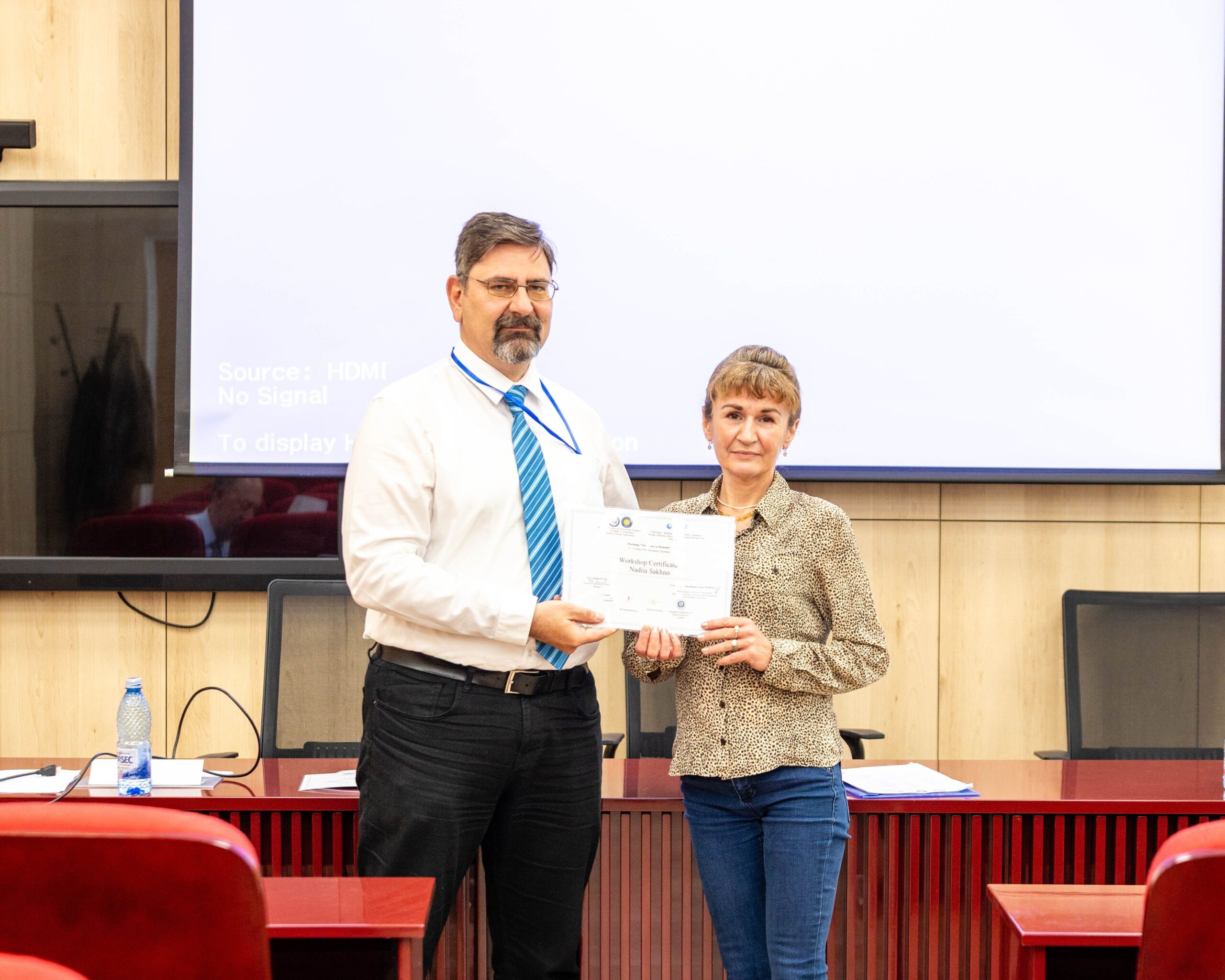
Recently, from May 11 to 15, 2026, the workshop “Small Modular Reactor School in Romania” (“SMR School in Romania”) was held in Bucharest, organized by the National University of Science and Technology POLITEHNICA Bucharest, Bucharest, and under the auspices of the European Nuclear Education Network. The workshop was attended by employees of the Taras Shevchenko National University of Kyiv, Head of the Department of Nuclear Physics and High Energies, Faculty of Physics, Prof. Ihor Kadenko and Head of the Laboratory of Computer Technologies of the International Nuclear Safety Center of Ukraine Nadiia Sakhno within the implementation of Work Package 2 of the EURATOM project (The Euroatom research and Training Programme (2021-2025)) “NURECAB.EU-UA Nuclear Research and Education Capacity Building”.
The responsible organizer from the side of Romania was Prof. Andrei Budu-Stanila, Faculty of Energy.
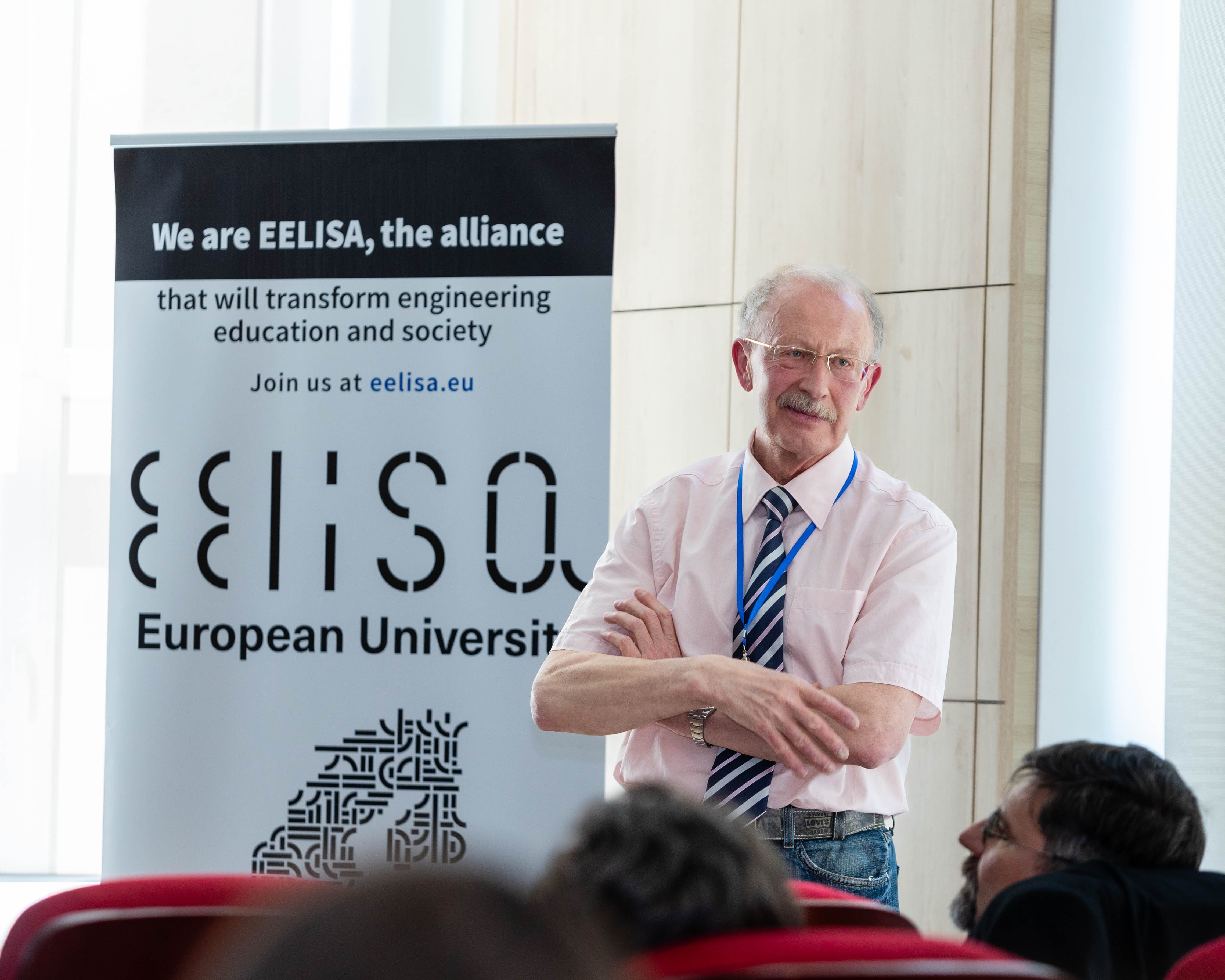
During the first day of the school’s work, presentations with overview aspects of the SMR technologies development were presented. Thus, two reports were made by the IAEA representative Hadid Subki, who described the current progress in the design and development of SMR technologies and presented the IAEA technological roadmap on this issue, as well as presented the achievements in the development of SMR with high-temperature gas reactors and the IAEA trainings conducted on this issue. This was followed by a report by the representative of the company “RoPower Nuclear” Victor Dinu wiht the promotion of SMR technologies with NuScale reactors in Romania.
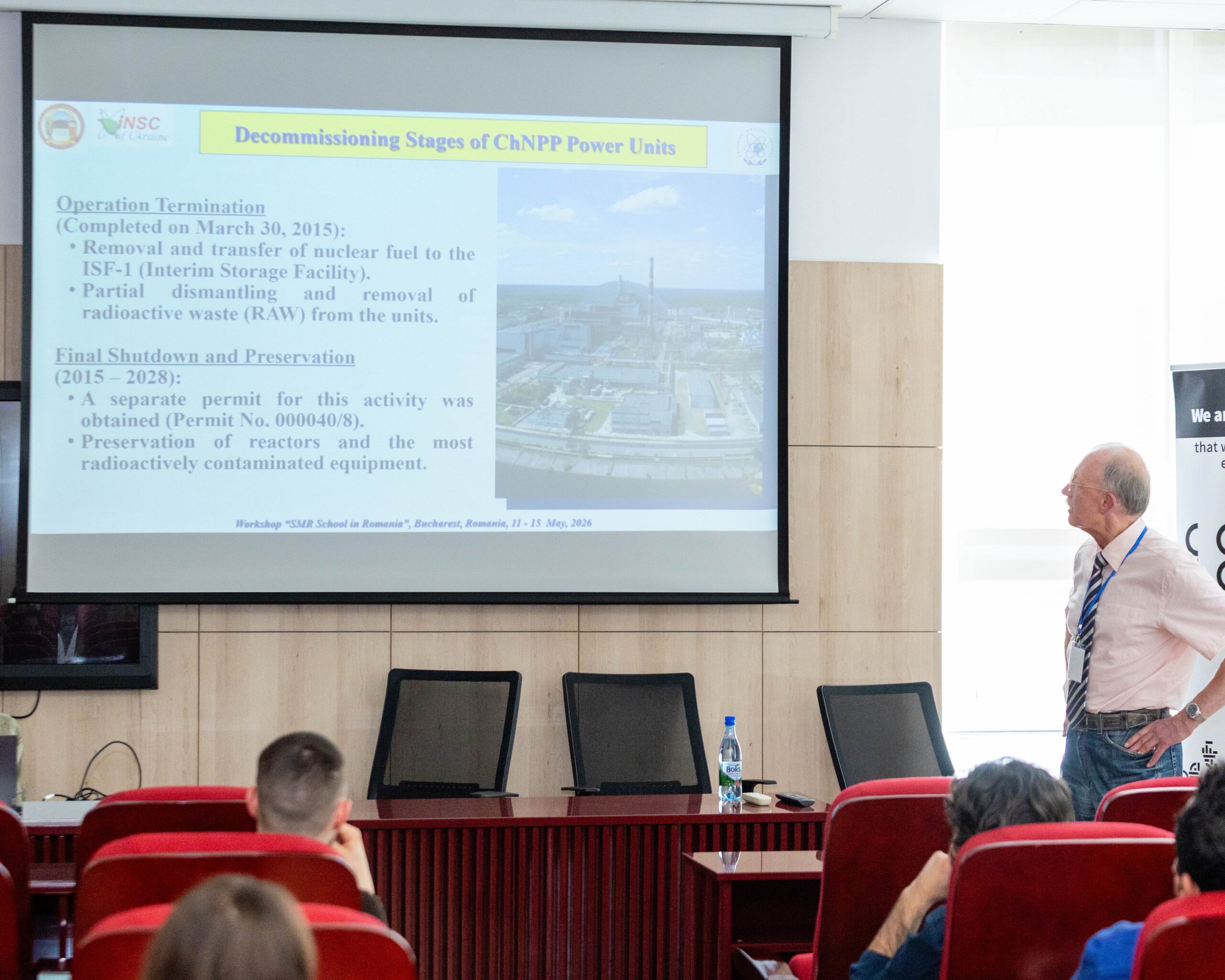
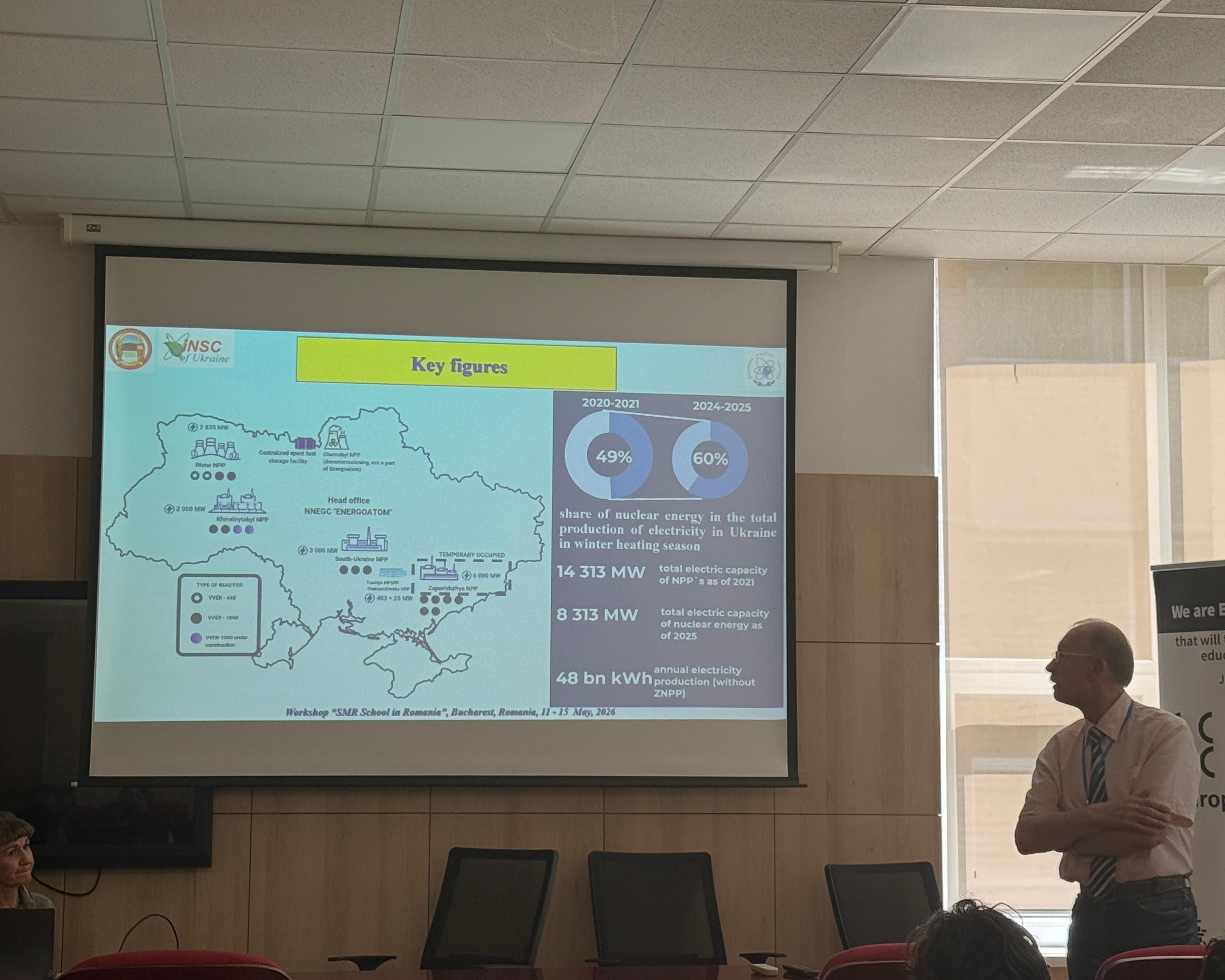
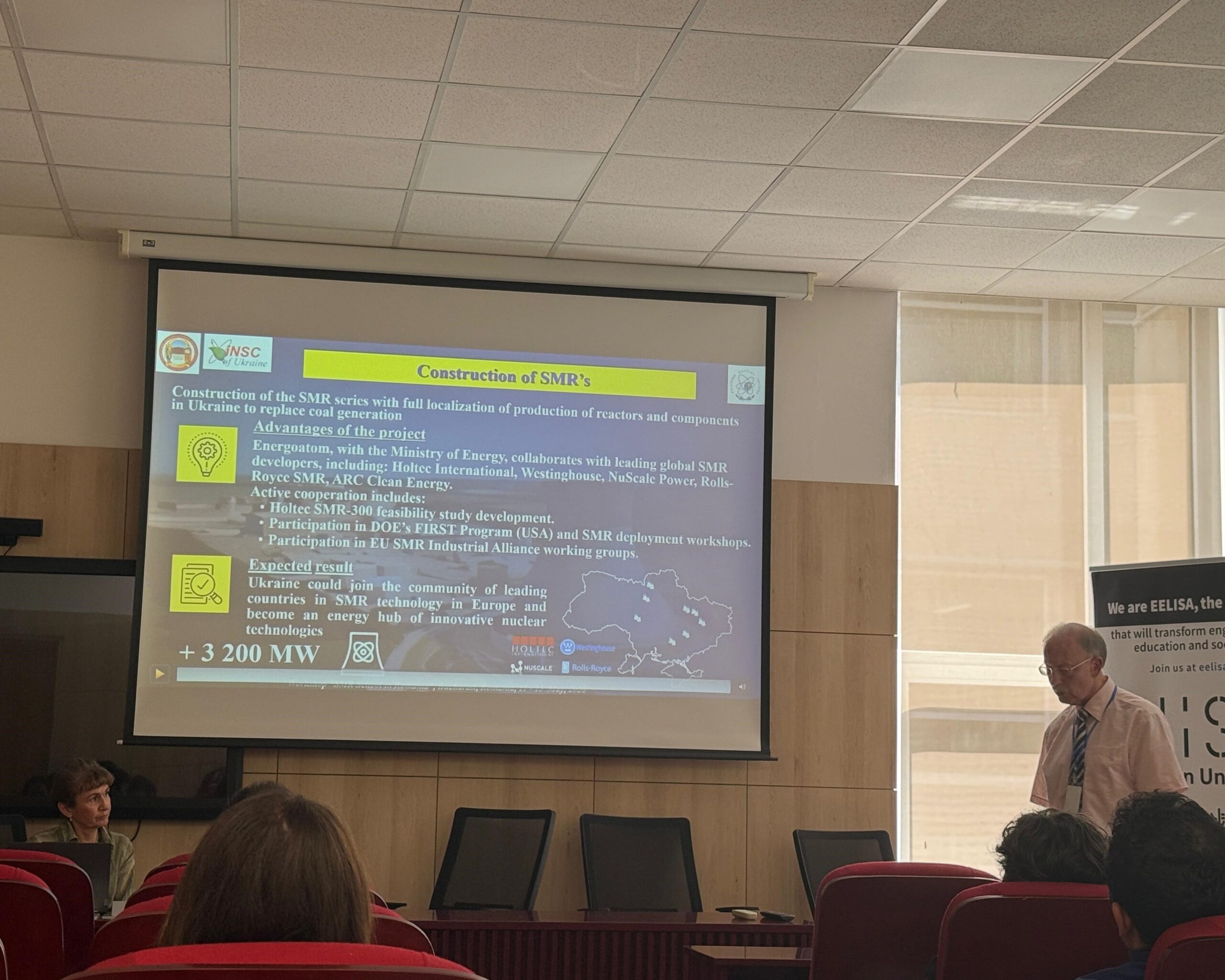
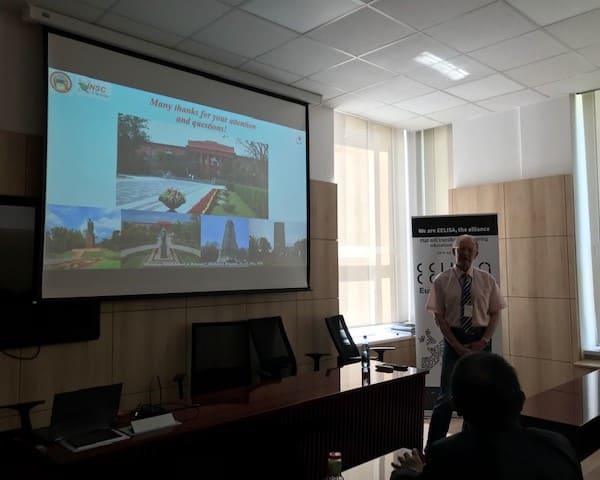
After these speeches, a report was presented by the Ukrainian side – Prof. Igor Kadenko, describing the current state and prospects for the development of nuclear energy in Ukraine, including aspects in the direction of the SMR technology development and the prospects for their design for Ukraine.
The first day of work was concluded by a report by the representative of the Romanian Regulatory Authority on the legal and legislative aspects of the use of SMR in Romania.
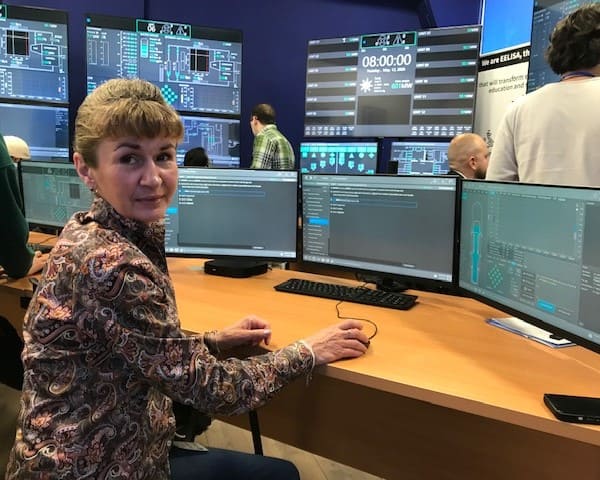
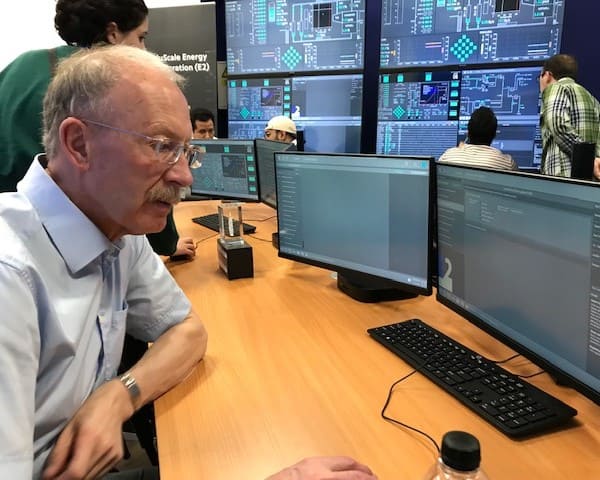
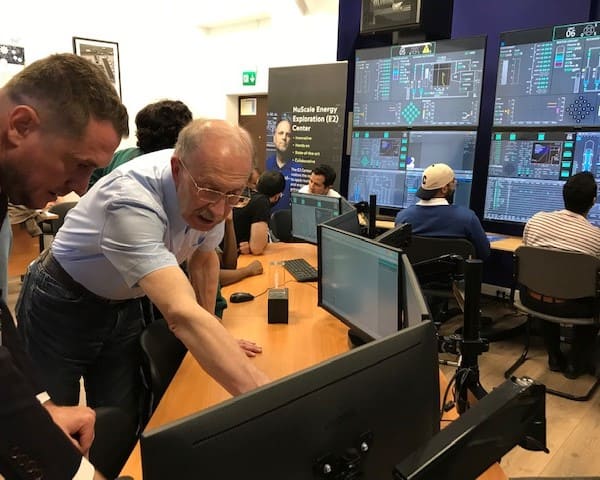
The second day was devoted entirely to training on the analytical simulator of the SMR “NuScale-50”, where all school participants studied the design features of this SMR type and practiced the process of achieving criticality and increasing reactor power. Following this, the school participants simulated a design-basis accident involving the self-ejection of the control rod of the greatest reactivity worth from the reactor core and assessed the reactor’s resilience to such accident scenario.
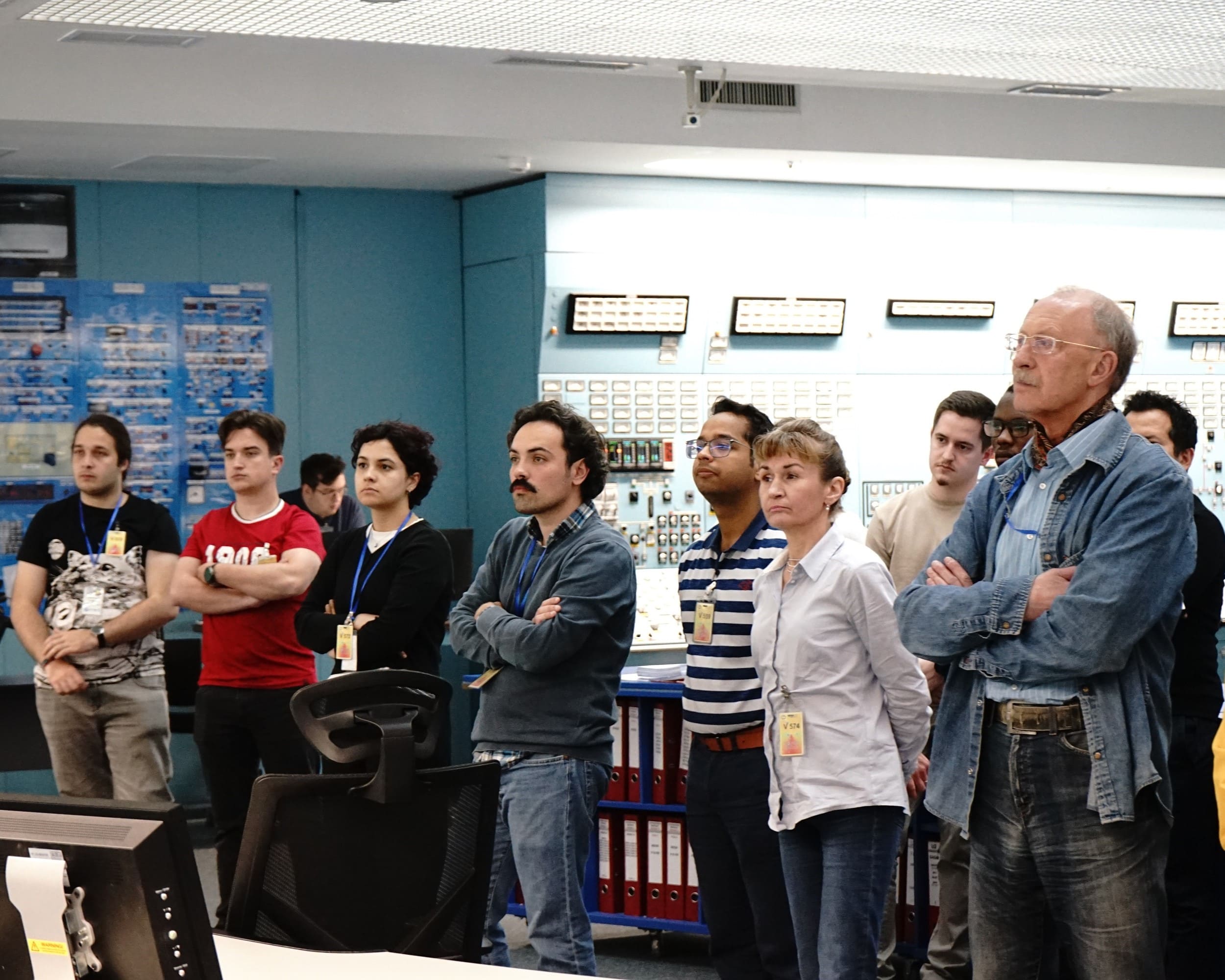
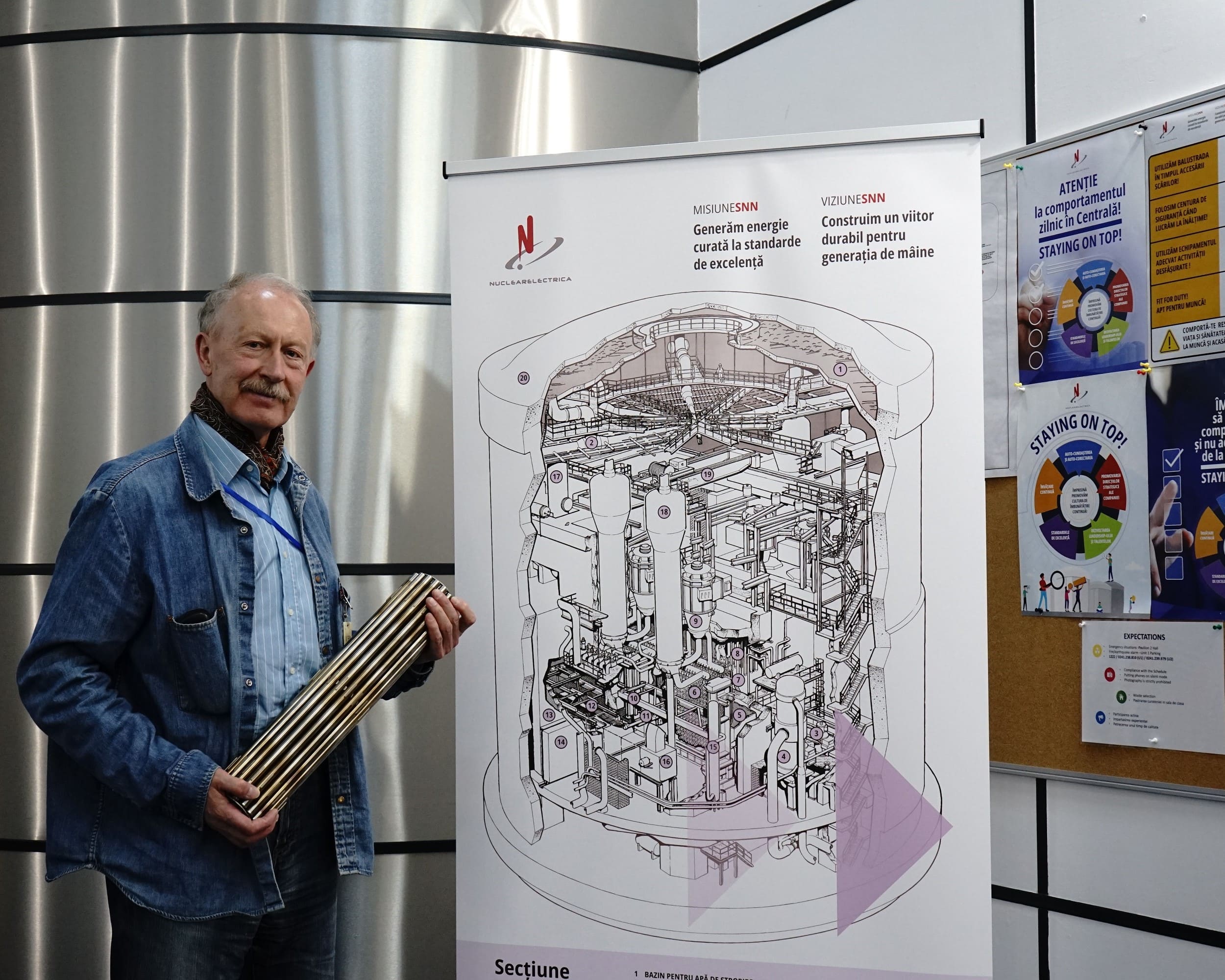
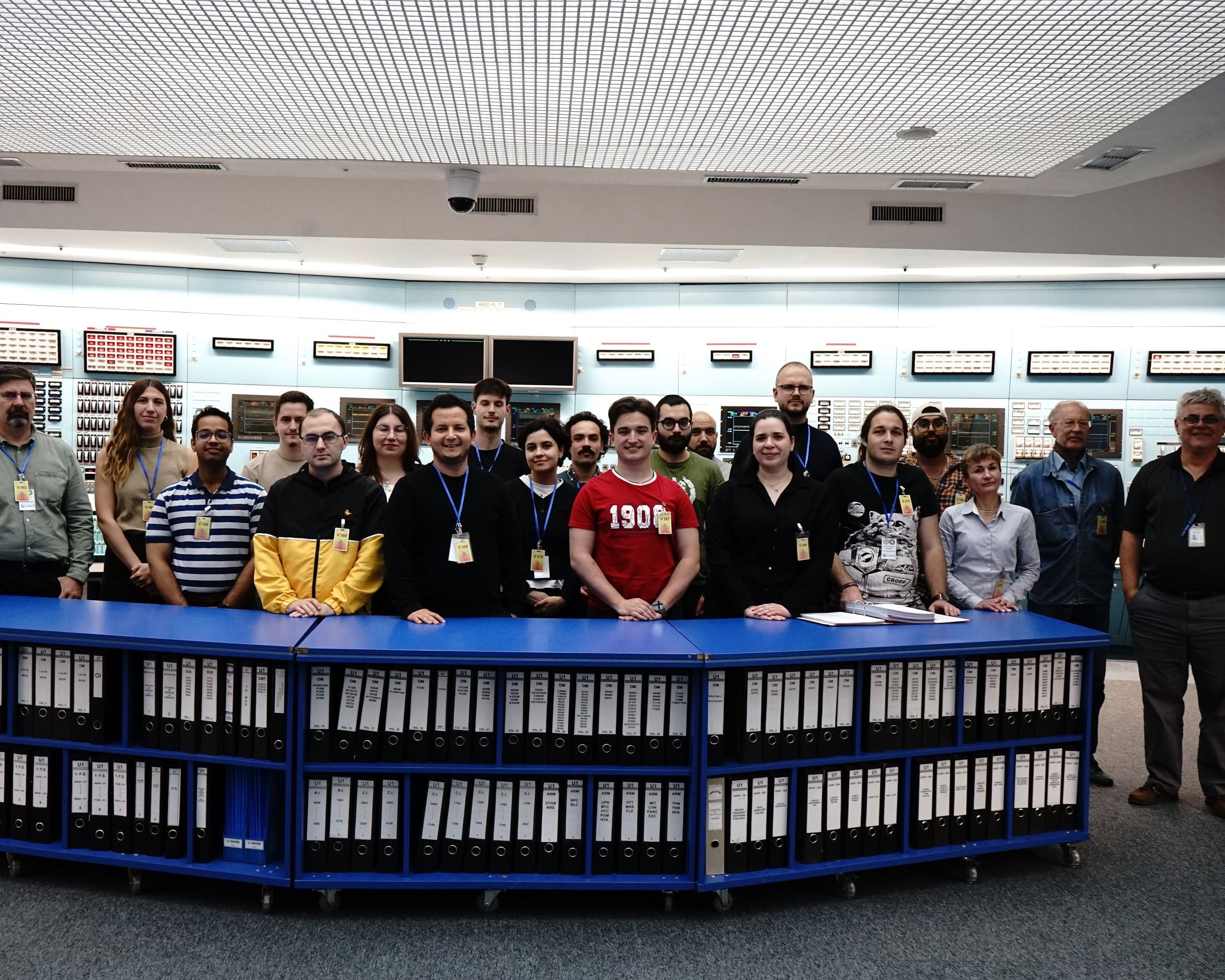
During the third day, a visit was made to the Chernovoda Nuclear Power Plant (CNPP), which operates two CANDU reactors fueled by natural uranium and heavy water as coolant and moderator. At the beginning of the visit, NPP employees gave a detailed presentation on the plant’s operations and its future development plans, specifically the commissioning of two new power units. Following this, the school participants toured the full-scale simulator of Unit 1 and studied the accident process involving a loss of coolant from the primary circuit.
On the fourth day, the school participants had an excursion to the Mioveni Nuclear Fuel Manufacturing Plant – a plant for the production of nuclear fuel for CANDU reactors, where, after a general presentation of the plant’s work, we were presented with the full technological process of manufacturing assemblies for operation in the core.
On the last day, discussions took place on the results of the school and the prospects of young people in the nuclear industry in various countries of Asia and Europe.
During the school, the TSNUK employees received a lot of new information regarding the involvement of department representatives in the development of SMR for the needs of the nuclear industry of Ukraine, as well as for a new training course on the development of SMR technologies,
We also managed to establish good contacts with Prof. A. Budu and H. Subki regarding cooperation in new projects in the nuclear industry.
The NURECAB project (GA No. 101173510) is funded by the European Union under the Euratom Research and Training Programme (Horizon Europe). The views and opinions expressed are those of the authors and do not necessarily reflect those of the European Commission.
Address:
Kyiv, Ukraine, 98a Vasylkivska Street
Email:
nphed.knu.ua@gmail.com
Phone:
+38 (050) 590 5632